

Quick Answers





Can coolant be used on tungsten during CNC machining operations?
- September 9, 2025
- Jason Chang
- 2:54 am
Tungsten is a high-performance metal widely used in various industrial applications, including CNC machining.
During CNC machining operations, the use of coolant is essential to ensure the efficiency and effectiveness of the process.
However, there has been some debate over whether coolant can be effectively used on tungsten during machining.
Introduction to Tungsten in CNC Machining
Tungsten, symbol W and atomic number 74, is a rare metal with exceptional properties that make it ideal for use in challenging environments.
Tungsten is known for its high melting point, excellent conductivity, and durability, making it a popular choice for various CNC machining applications.
In CNC machining, tungsten is often used to produce precision components and tooling with tight tolerances and high wear resistance.
The Role of Coolant in CNC Machining
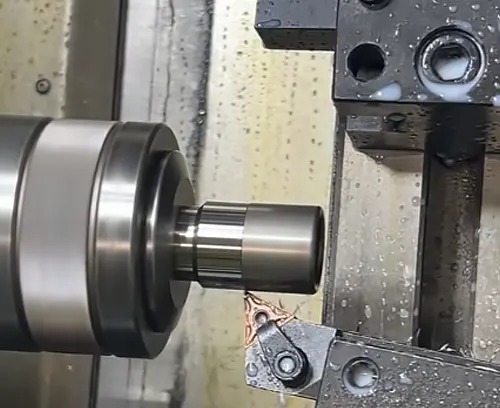
Coolant plays a crucial role in CNC machining operations by reducing heat, lubricating cutting tools, and removing chips from the workpiece.
Coolant helps to dissipate heat generated during the machining process, preventing tool wear, improving surface finish, and prolonging tool life.
In addition, coolant helps to avoid distortion of the workpiece and improve chip evacuation, resulting in higher productivity and efficiency in CNC machining operations.
Can Coolant Be Used on Tungsten?
When it comes to machining tungsten, the use of coolant has been a topic of discussion among engineers and machinists.
Tungsten has a high thermal conductivity and is known for its heat resistance, making it challenging to determine whether coolant is necessary during machining operations.
While coolant is commonly used in CNC machining to reduce heat and improve cutting performance, its effectiveness on tungsten may be limited due to tungsten’s unique properties.
Factors to Consider When Using Coolant on Tungsten
Before deciding whether to use coolant on tungsten during CNC machining operations, engineers should consider several factors to ensure the best possible outcome. These factors include:
- Thermal Conductivity: Tungsten exhibits high thermal conductivity, enabling it to dissipate heat effectively during machining. Coolant may not be as effective on tungsten compared to other metals with lower thermal conductivity.
- Material Properties: Tungsten is a complex and brittle material that can be challenging to machine. Coolant may help to reduce tool wear and improve chip evacuation on tungsten, leading to better machining results.
- Cutting Parameters: The cutting parameters, including cutting speed, feed rate, and depth of cut, play a crucial role in determining the effectiveness of coolant on tungsten. Engineers should optimize these parameters to maximize the benefits of using coolant during machining.
- Tooling: The type of cutting tool and tool material used in machining tungsten can also impact the effectiveness of the coolant. Engineers should select high-quality cutting tools and coatings that are compatible with coolant to achieve the best results.
Benefits of Using Coolant on Tungsten
While the effectiveness of coolant on tungsten may be debated, there are several potential benefits to using coolant during CNC machining operations on tungsten:
- Improved Surface Finish: Coolant can help to reduce surface roughness and improve the overall finish of the machined part.
- Extended Tool Life: Coolant can help to reduce tool wear and prolong the life of cutting tools when machining tungsten.
- Enhanced Chip Evacuation: Coolant can aid in the removal of chips from the workpiece, preventing chip buildup and improving machining efficiency.
- Reduced Thermal Stress: Coolant can help to dissipate heat and reduce thermal stress on the workpiece and cutting tools, resulting in improved machining performance.
Conclusion
In conclusion, using coolant on tungsten during CNC machining operations can provide several benefits.
These include improved surface finish, extended tool life, enhanced chip evacuation, and reduced thermal stress.
The effectiveness of coolant on tungsten may be limited due to its high thermal conductivity and unique properties.
However, engineers can optimize cutting parameters, tooling, and coolant selection to maximize the benefits of using coolant.
By considering these factors, engineers with a manufacturing background can achieve optimal results when machining tungsten with coolant.